Narrative
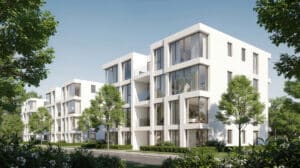
In 2023, a cost segregation study was performed on an apartment complex in Ennis, Texas. The property consists of 9 two-story buildings encompassing 62,176 square feet. Originally constructed in 1996, the apartment complex features 84 residential units designed to provide quality multi-family housing.
The property underwent a comprehensive engineering-based cost segregation analysis to identify and reclassify building components into appropriate tax depreciation categories. The study aimed to accelerate depreciation deductions and optimize tax benefits for the property owner.
Objective
The primary objective was to identify and reclassify building components that qualify for shorter depreciation periods, thereby maximizing tax benefits through accelerated depreciation. The study focused on segregating costs between 5-year, 15-year, and 27.5-year property classifications.
Methodology
ETS employed a detailed, engineering-based approach, which included:
- Physical Inspection: conducting a thorough site visit to identify and photograph the property’s components
- Document Review: examining architectural plans, construction documents and accounting records
- Cost Analysis: applying engineering principles to allocate costs to specific asset classifications
- Depreciation Calculation: calculating depreciation using IRS-accepted methods such as the Modified Accelerated Cost Recovery System (MACRS)
Learn More About Cost Segregation
Explore the benefits of cost segregation and how it can enhance your property’s profitability. Dive deeper into our strategies.
Discover MoreAsset Allocation
5-Year Class Life
Total Depreciation Allocation: $2,058,269.39 Percentage of Total Depreciable Basis: 30.02%
5-year class life assets identified in this study include:
- Appliances (refrigerators, dishwashers)
- Cabinetry and countertops
- Special electrical systems
- Carpeting and flooring
- Window treatments
15-Year Class Life
Total Depreciation Allocation: $615,620.03 Percentage of Total Depreciable Basis: 8.98%
15-year class life assets identified in this study include:
- Parking areas and striping
- Sidewalks and curbing
- Site lighting
- Swimming pool and deck
- Landscaping and irrigation
27.5-Year Class Life
Total Depreciation Allocation: $4,181,336.57 Percentage of Total Depreciable Basis: 60.99%
27.5-year class life assets identified in this study include:
- Building shell and structure
- Standard electrical
- Plumbing systems
- HVAC systems
- Roofing
Class Life Details:
Summary
The cost segregation study identified significant opportunities for accelerated depreciation through the reclassification of assets. The analysis resulted in approximately 39% of the total depreciable basis being reclassified to shorter recovery periods (5 and 15 years), potentially generating substantial tax savings through accelerated depreciation deductions.ance of agricultural real estate investments.
Unlock Your Tax Savings
Discover how cost segregation can maximize your tax benefits and improve cash flow. Get started today with a free consultation.
Get Your Free Consultation