Narrative
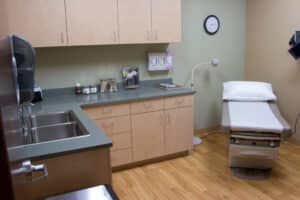
In 2026, the owners of a dental office in Belmont, New Hampshire, undertook strategic tax planning to enhance their investment. The property consists of a building designed for commercial medical use and improved with modern building systems and specialized site enhancements. The structure was developed with high-quality materials and workmanship suited for long-term clinical operation.
The property features durable interior and exterior finishes, upgraded lighting, specialized mechanical systems, and custom dental-specific improvements that support commercial functionality. Site elements include paved surfaces, landscaping, and related improvements that add value and utility to the overall property. Each component was evaluated as part of a detailed engineering-based cost review.
The owners engaged Engineered Tax Services (ETS) to perform a comprehensive cost segregation study of the property. This study aimed to identify and reclassify specific assets to accelerate depreciation and optimize tax benefits. This case study outlines the cost-segregation strategy employed and its significant impact on the property's financial outlook.
Objective
The primary objective of the cost segregation study was to identify and classify the commercial property’s assets within the $691,841.50 depreciable basis. By analyzing and reallocating building and site components into appropriate depreciation categories under MACRS, Engineered Tax Services (ETS) aimed to accelerate depreciation deductions and enhance the property owner’s overall tax savings and cash flow.
Methodology
ETS utilized a detailed engineering-based approach, including:
- Site Inspection: A physical inspection to document all structural, electrical, and land-improvement components.
- Document Review: Analysis of architectural plans, contractor invoices, and accounting schedules.
- Cost Analysis: Allocation of construction costs across building systems, site improvements, and personal property.
- Depreciation Calculation: Application of IRS Revenue Procedures, Tax Court rulings, and MACRS recovery periods to maximize allowable deductions.
Explore the benefits of cost segregation and how it can enhance your property's profitability. Dive deeper into our strategies.
Asset Allocation
5-Year Class Life
Total Depreciation Allocation: $223,473.22 Percentage of Total Depreciable Basis: 32.30%
5-year class life property consists of tangible personal property found across the dental office that are eligible for a 5-year recovery period.
- Specialized dental cabinetry, medical equipment hooks, and operatory-related fixtures.
- Decorative finishes, specialized lighting, and electrical dedicated to dental workstations.
15-Year Class Life
Total Depreciation Allocation: $91,241.76 Percentage of Total Depreciable Basis: 13.19%
15-year class life property consists primarily of land improvements and exterior site systems, which form the largest component of accelerated assets outside the building shell.
- Site improvements such as parking lot paving, curbing, and sidewalk concrete.
- Exterior site lighting, landscaping, and signage infrastructure.
39-Year Class Life
Total Depreciation Allocation: $377,126.52 Percentage of Total Depreciable Basis: 54.51%
39-year class life property includes structural components of the main building classified as § 1250 property.
- Main building structure, including foundations, exterior walls, and roof.
- Primary building systems including HVAC, plumbing, and general electrical distribution.
Class Life Details:
Summary
The cost segregation analysis for the dental office in Belmont, New Hampshire, identified assets eligible for shorter recovery periods and documented their allocation across 5-year, 15-year, and 39-year categories. This engineering-based approach aligns the property’s components with appropriate MACRS class lives and provides the taxpayer with supportable depreciation schedules.
The total increase in accumulated depreciation from this study is generated by reclassifying a substantial portion of the depreciable basis, over 45%, into accelerated recovery periods of 5 and 15 years.
This result improves near-term tax efficiency and supports capital planning and reinvestment decisions. Engineered Tax Services provides audit-ready documentation consistent with IRS guidance and accepted engineering practices.
Unlock Your Tax Savings
Discover how cost segregation can maximize your tax benefits and improve cash flow. Get started today with a free consultation.