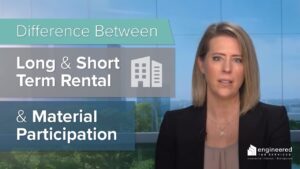
In this conversation, Heidi Henderson interviews Nick Aiola, a CPA specializing in real estate tax strategies. They discuss the evolution of Nick's virtual accounting firm, the importance of proactive tax planning for real estate investors, and the various strategies that can help clients maximize their tax benefits. The conversation also covers material participation, investment opportunities, and the significance of documentation in navigating audits. Nick shares success stories of clients who have transformed their financial situations through strategic tax planning, emphasizing the collaborative nature of their work with clients and other professionals.
The Modern CPA: Specialized, Virtual, and Proactive
Nick Aiola launched his firm with a clear vision: to provide specialized tax advice for an industry he personally invests in. By operating a fully virtual firm since before 2018, Nick has been able to source the best talent nationwide and provide a “process-driven” experience for clients.
Unlike traditional firms that focus solely on compliance (filing returns after the year is over), Aiola CPA emphasizes proactive strategy. This approach ensures that by the time the tax return is prepared, the “story is already written,” and the savings are locked in.
“Tax planning is proactive; tax prep is retroactive. If you wait until the year is over to ask your CPA how to save money, your hands are largely tied.” — Nick Aiola, CPA
Real Estate: The Ultimate Tax Vehicle
For Engineered Tax Services and Aiola CPA, real estate is the primary vehicle for building generational wealth due to its unique tax advantages in three phases:
- Acquisition: Leveraging incentives and high-leverage financing.
- Operation: Using non-cash expenses like depreciation and vehicle mileage to offset cash flow.
- Disposition: Utilizing 1031 exchanges and Opportunity Zones to defer gains.
The 100% Bonus Depreciation Advantage
With bonus depreciation returning to 100% in 2026, the synergy between engineering-based cost segregation and tax planning is stronger than ever. Engineered Tax Services provides the technical studies, while Nick ensures those deductions are applied correctly against the investor's specific income profile.
Navigating the “Silos” of Material Participation
One of the most complex areas for investors is understanding Material Participation and how it allows real estate losses to offset W2 or “active” income. Nick provides critical clarification on how the IRS views different rental activities:
The Short-Term Rental (STR) Loophole
To qualify for the STR loophole, the average length of stay must be 7 days or less. If met, and the investor materially participates (often at a lower 100-hour threshold), the losses are considered non-passive and can offset W2 wages.
The Separation of Activities
Nick warns that STRs and long-term rentals (LTRs) live in separate “tax silos.”
- Oil and Water: You cannot combine hours spent on an STR with hours spent on an LTR to meet the 750-hour Real Estate Professional Status (REPS) requirement.
- Grouping Elections: To make management easier, investors must make a specific, irrevocable election on their return to group LTR properties as a single activity. Without this election, you must prove material participation for each property individually, which is nearly impossible for larger portfolios.
Beyond Real Estate: Investing in Assets
The principles of material participation and bonus depreciation extend beyond buildings. Nick suggests that investors looking for “active” deductions can look toward other business ventures:
- Equipment Heavy Businesses: Landscaping, dumpster rentals, or laundry mats.
- Vehicle Fleets: Renting vehicles on platforms like Turo.
- Restaurant Build-outs: Taking advantage of bonus depreciation on kitchen equipment and specialized improvements.