Accelerated 5- & 15-Year Property: 57.30%
The report’s cost segregation results show $664,605.32 allocated to 5-year property and $649,068.16 allocated to 15-year property, with $978,962.51 remaining in the 39-year class.
Immediate Tax Impact
Tax Impact Measure | Reported Amount |
|---|---|
Depreciable Basis | $2,292,636 |
Estimated Depreciation Taken Before Study | $36,740.96 |
Immediate Deduction After Study | $1,329,361.98 |
Projected Deductions – First 5 Years | $1,429,768 |
Bonus Depreciation | Up to 100% |
The report’s summary shows an immediate deduction of $1,329,361.98 and projected total deductions of $1,429,768 over the first five years. The study also identifies bonus depreciation of up to 100% in its summary.
Important: These figures represent deductions reported in the engineering study, not a guaranteed dollar-for-dollar tax savings amount. Actual tax savings depend on the taxpayer’s individual tax situation.
Depreciation Impact
Before Cost Segregation
The property’s depreciable basis would generally remain concentrated in long-life building property.
After Cost Segregation
ETS identified substantial portions of the basis for shorter recovery periods:
Classification | Amount | Recovery Period |
|---|---|---|
Shorter-Life Property | $664,605.32 | 5 years |
Shorter-Life Property | $649,068.16 | 15 years |
Remaining Building Property | $978,962.51 | 39 years |
$1,313,673.48
Total basis reclassified to 5- and 15-year property
That’s 57.30% of the property’s $2,292,636 depreciable basis.
Property Snapshot
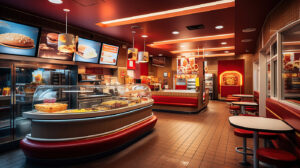
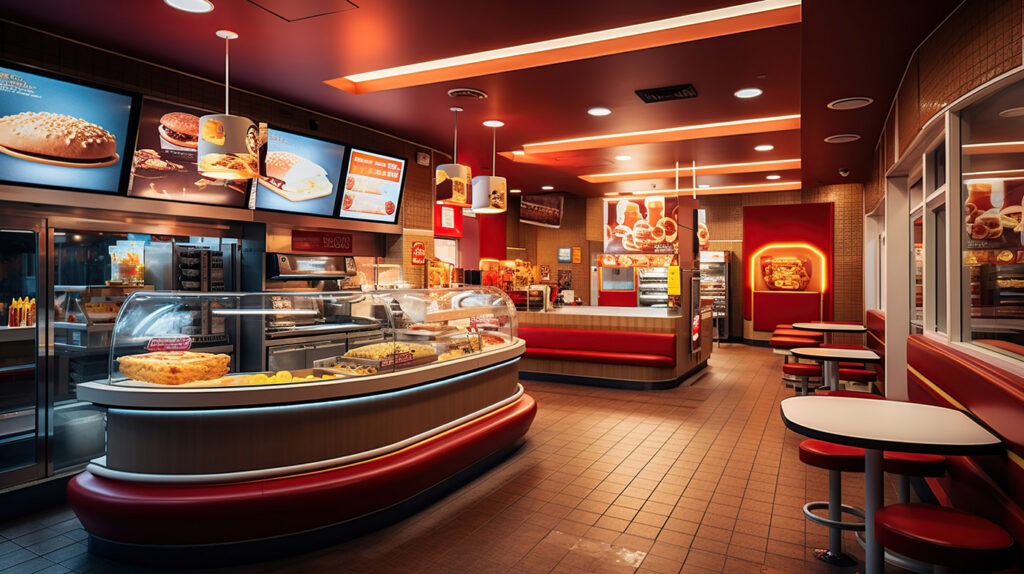
A 2,849-Square-Foot Restaurant With More Than $1.3M in Accelerated Basis
 Property Type Property Type | Fast-Food Restaurant |
 Location Location | Manning, South Carolina |
 Building Size Building Size | 2,849 sq. ft. |
 Year Built Year Built | 1983 |
 Total Property Cost Total Property Cost | $2.56M |
 Depreciable Basis Depreciable Basis | $2.29M |
 Accelerated Basis Accelerated Basis | $1.31M |
 Immediate Deduction Immediate Deduction | $1.33M |
What the Engineering Study Examined
The purpose of the ETS study was not simply to apply a percentage to the property’s cost. The engineering process identified individual Units of Property and analyzed their appropriate tax classifications.
ETS’s documented process included:
01 — Identify Assets
Break the property into individual Units of Property and specific project assets.
↓
02 — Inspect the Property
Conduct a physical inspection and document the property’s components.
↓
03 — Analyze Costs
Review project costs and apply engineering cost-estimation techniques where appropriate.
↓
04 — Classify Components
Assign qualifying assets to their appropriate depreciation classifications.
↓
05 — Allocate Indirect Costs
Allocate applicable architectural, engineering, permit, and other indirect costs to the appropriate assets.
↓
06 — Reconcile the Results
Compare the engineering findings against the property’s total project costs and records.
ETS states that its engineering process includes physical inspection, review of available blueprints and construction documentation, quantitative take-offs, unit-cost analysis, allocation of indirect costs, and grouping of assets by class life and placed-in-service date.
Why Cost Segregation Matters for Restaurant Properties
Restaurant properties can contain a combination of building components, specialty electrical systems, dedicated equipment, finishes, and other assets that may have different recovery periods.
An engineering-based cost segregation study analyzes these components individually rather than treating the entire property as a single building asset.
For this Manning, SC restaurant, the study identified:
$664,605
in 5-year property
$649,068
in 15-year property
$978,963
remaining in 39-year property
This resulted in $1,313,673.48 of the $2,292,636 depreciable basis being classified into 5- and 15-year property.
Financial Takeaway
Key Metric | Result |
|---|---|
Total Property Cost | $2,562,636 |
Land Value | $270,000 |
Depreciable Basis | $2,292,636 |
5-Year Property | $664,605.32 |
15-Year Property | $649,068.16 |
39-Year Property | $978,962.51 |
Accelerated Basis | $1,313,673.48 |
Accelerated Percentage | 57.30% |
Immediate Deduction | $1,329,361.98 |
Projected 5-Year Deductions | $1,429,768 |
For this Manning, South Carolina fast-food restaurant, ETS’s engineering-based cost segregation study identified more than $1.31 million of depreciable basis for shorter recovery periods and reported an immediate deduction of approximately $1.33 million.
The study demonstrates how a detailed engineering analysis can uncover depreciation opportunities that may not be apparent when a commercial property is treated as a single building asset.