Narrative
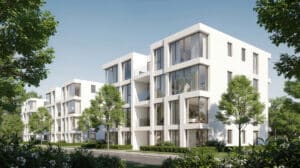
In 2024, the owners of a mixed-use commercial and residential property in Selma, Texas, sought to optimize their tax position through strategic cost segregation. The property consists of seven buildings totaling 180,342 square feet, originally constructed in 1985. The facility includes both commercial and residential spaces with various amenities and modern features.
The property underwent significant improvements and features a combination of metal, aluminum, and wood construction elements. The buildings include modern electrical systems, HVAC equipment, and plumbing infrastructure. The property also includes extensive site improvements such as parking areas, landscaping, and security features.
Objective
The primary objective of the cost segregation study was to identify and classify the commercial/residential property’s assets to optimize the owners’ tax savings. By breaking down and reallocating components into shorter depreciation life categories, ETS aimed to provide both immediate and long-term financial benefits through accelerated depreciation.
Methodology
ETS employed a detailed, engineering-based approach, which included:
- Physical Inspection: conducting a thorough site visit to identify and photograph the property’s components
- Document Review: examining architectural plans, construction documents and accounting records
- Cost Analysis: applying engineering principles to allocate costs to specific asset classifications
- Depreciation Calculation: calculating depreciation using IRS-accepted methods such as the Modified Accelerated Cost Recovery System (MACRS)
Learn More About Cost Segregation
Explore the benefits of cost segregation and how it can enhance your property’s profitability. Dive deeper into our strategies.
Discover How Cost Segregation Can Help You Save MoneyAsset Allocation
5-Year Class Life
Total Allocation: $114,501.31 Percentage of Basis: 1.78%
- Electrical systems and components
- Specialized equipment
- Communication systems
- Security systems
7-Year Class Life
Total Allocation: $4,558,159.97 Percentage of Basis: 70.73%
- Metal self-storage components
- Removable wall partitions
- Special purpose mechanical systems
15-Year Class Life
Total Allocation: $982,223.44 Percentage of Basis: 15.24%
- Land improvements
- Paving and site utilities
- Landscaping
- Exterior lighting
39-Year Class Life
Total Allocation: $789,185.28 Percentage of Basis: 12.25%
- Building structural components
- Basic electrical
- Standard plumbing
- Basic HVAC
Class Life Details:
Summary
The cost segregation study identified substantial opportunities for accelerated depreciation. Of the total depreciable basis of $6,444,070, approximately 87.75% was reclassified into shorter recovery periods. This resulted in a first-year additional depreciation of $3,639,910.89 compared to straight-line depreciation, significantly improving cash flow for the property owners.
Unlock Your Tax Savings
Discover how cost segregation can maximize your tax benefits and improve cash flow. Get started today with a free consultation.
Get Your Free Consultation