
When you purchase or replace a property through a 1031 exchange, you may wonder how this impacts your ability to perform a Cost Segregation Study. The good news is you can absolutely still do cost segregation, but the calculation of your new property’s depreciable basis works a little differently.
Understanding the Basis in a 1031 Exchange
A 1031 exchange allows you to defer capital gains taxes by rolling the proceeds from a sold (“relinquished”) property into a new (“replacement”) property.
Under IRC §1031(d), the basis of your replacement property is not the full purchase price it’s a carryover basis derived from your relinquished property, adjusted for any gain recognized or additional funds (often called “boot”) added to the deal.
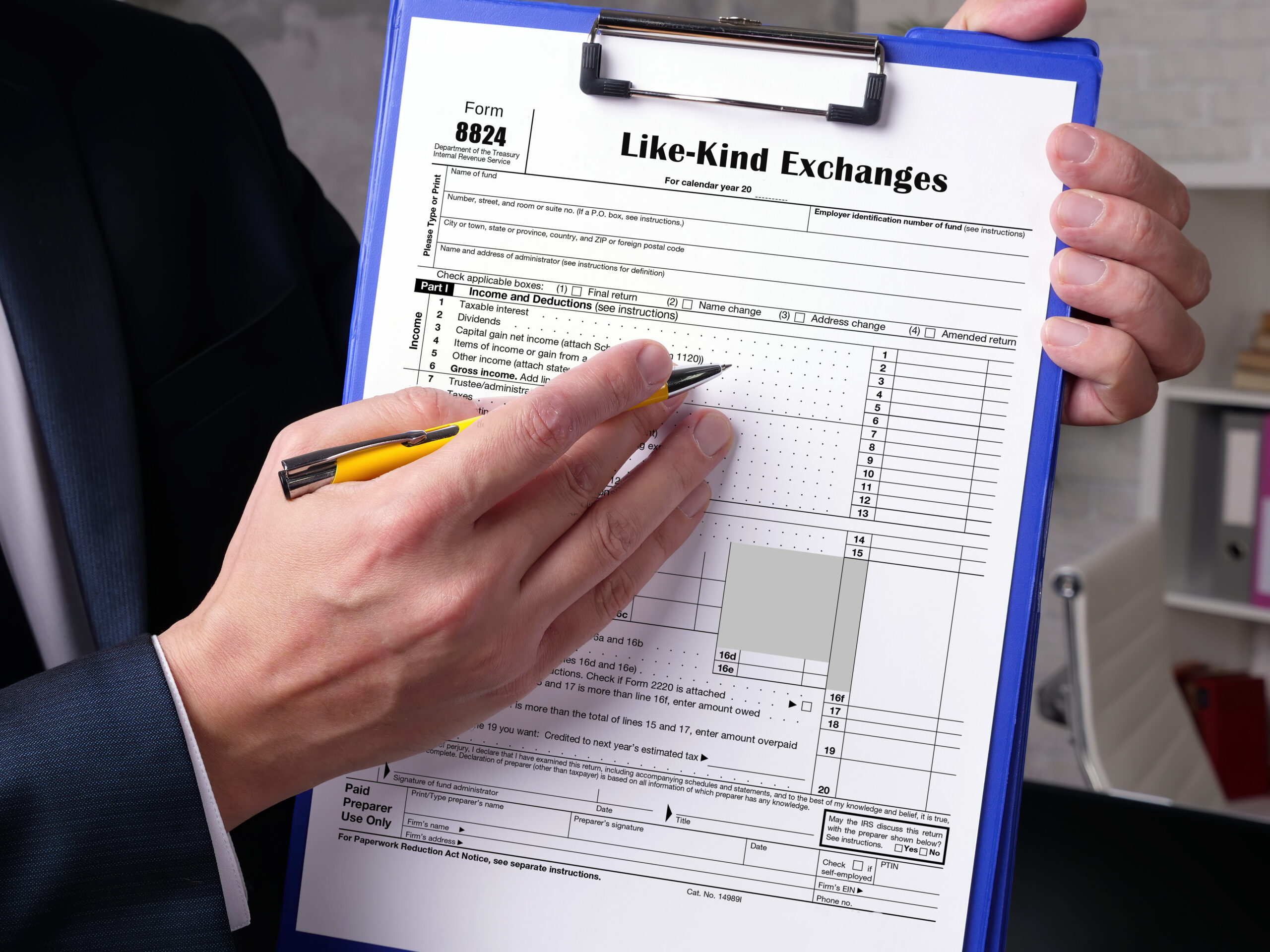
This is why your CPA will complete Form 8824, which reports all details of the exchange.
- In Part III, Line 25, you’ll find the basis of like-kind property received this is your starting point for depreciation.
- Before applying cost segregation, you’ll need to subtract out the land value, as land is not depreciable.
Exchanged vs. Excess Basis
Per Treasury Regulation §1.168(i)-6, the IRS requires you to divide your total basis into two parts:
- Exchanged Basis – This is the carryover portion from your relinquished property. It continues using the same depreciation life and method as before, with no new bonus depreciation.
- Excess Basis – This portion represents any new money or debt added during the acquisition. It’s treated as newly placed in service, making it eligible for current-year depreciation rules including bonus depreciation if the property qualifies.
By splitting the property this way, a cost segregation study can help identify which parts of your excess basis may qualify for accelerated depreciation, unlocking additional deductions in the first year.
What if the Relinquished Property Already Had a Cost Seg Study?
If the property you sold already had a cost segregation study, its accumulated depreciation will carry over into the new property’s adjusted basis. This doesn’t eliminate your ability to perform cost segregation again it just means the new depreciation schedule must align with the old one to maintain IRS compliance and avoid duplication.
Why This Matters
The difference between a correctly calculated basis and an estimated one can mean tens of thousands of dollars in missed deductions or audit exposure. That’s why we always recommend obtaining the CPA’s draft Form 8824 and confirming the line 25 basis before starting the study.
At Engineered Tax Services, our engineering and tax teams work directly with your CPA to ensure your replacement property’s basis is reconciled accurately, the land allocation is defensible, and every eligible dollar of depreciation is captured fully compliant with IRS regulations.
Final Thoughts
A 1031 exchange doesn’t eliminate your ability to use cost segregation it simply changes how you approach it. By understanding your exchanged and excess basis and ensuring your documentation is complete, you can still benefit from significant tax savings while maintaining full compliance.
Maximize Your 1031 Exchange Benefits
Don’t leave your tax savings to chance after a complex exchange. Engineered Tax Services specializes in reconciling exchanged and excess basis to ensure your cost segregation study is both audit-defensible and highly profitable. Let us partner with your CPA to navigate the nuances of IRC §1031(d) and capture every dollar of depreciation you’re entitled to.
Contact Engineered Tax Services today for a complimentary preliminary analysis of your replacement property.
IRS References: