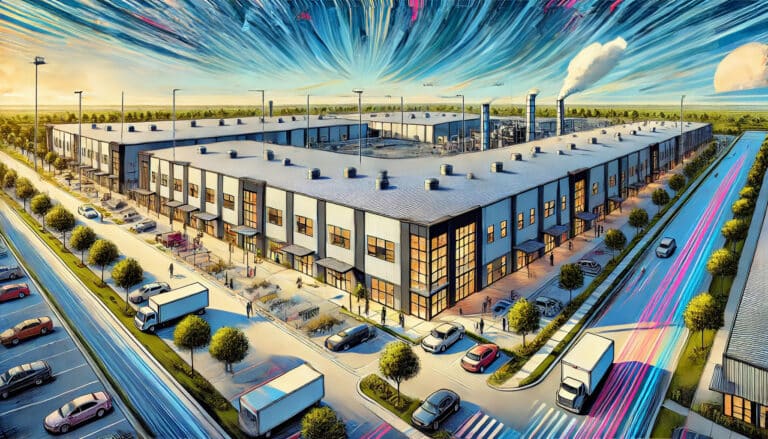
Below are case study examples for warehouses, stockrooms, depots, and storehouses. Here you’ll find cost segregation and 179D energy tax deduction case study examples involving all types of warehouse buildings.
Warehouse and distribution center owners often have significant capital tied up in long-term depreciation schedules, yet these facilities are among the best candidates for accelerated tax recovery. Engineered Tax Services helps these owners unlock immediate liquidity by identifying building components that qualify for 5, 7, and 15-year recovery periods instead of the standard 39-year commercial life. Because a warehouse requires specialized infrastructure—including loading docks, specialized lighting systems, heavy-duty electrical for automation, and extensive site improvements like truck turnarounds and security fencing—an ETS engineering-based study typically reclassifies 10% to 20% or more of the total cost basis. This front-loaded depreciation provides the essential cash flow needed to scale operations, fund facility expansions, or invest in new logistics technology.
Warehouse Case Studies
The expansive footprint of a modern warehouse offers unparalleled opportunities for tax recovery through cost segregation and federal energy incentives. Engineered Tax Services meticulously documents assets like reinforced concrete paving, specialized fire suppression systems, and warehouse equipment foundations to move them away from long-term schedules, with results including a storage facility in North Carolina where ETS increased first-year depreciation from $38,000 to over $1,000,000. Furthermore, ETS captures massive value through Section 179D energy tax deductions, which in 2025 can reach up to $5.81 per square foot for high-efficiency LED lighting and HVAC systems in these large-scale facilities. These results demonstrate how Engineered Tax Services delivers the technical rigor and IRS-compliant documentation necessary to maximize Net Present Value and transform distribution centers into high-yield financial assets.